Specifications & analytical data
Examine the available specifications and analytical evidence, and identify questions about consistency, methods and impurity understanding.
Does the evidence support the stated product profile?
M&A / API manufacturing
Technical due diligence that connects the chemistry, the process and the manufacturing evidence.
Discuss your transactionAreas of review
The depth of each workstream depends on access, materiality and the agreed brief.
Examine the available specifications and analytical evidence, and identify questions about consistency, methods and impurity understanding.
Does the evidence support the stated product profile?
Review process descriptions and supporting records to understand the route, critical operations and dependencies.
Where does the process depend on an untested assumption?
Examine the evidence for the scale achieved and questions arising from further scale-up or implementation in a different plant.
What has been demonstrated at the intended scale?
Review cost-of-goods assumptions against the available process, yield and manufacturing information.
Which technical assumptions drive the cost estimate?
Review the available quality assurance information within the agreed technical scope and identify issues requiring specialist follow-up.
What does the documentation show, and what remains open?
Connect the documents, flag information gaps and prepare focused technical questions for the transaction team.
Can important statements be traced to supporting evidence?
Shaping the engagement
A targeted question set or a broader technical assessment, with the boundaries clear from the outset.
The following are possible engagement outputs, to be agreed in the scope of work.
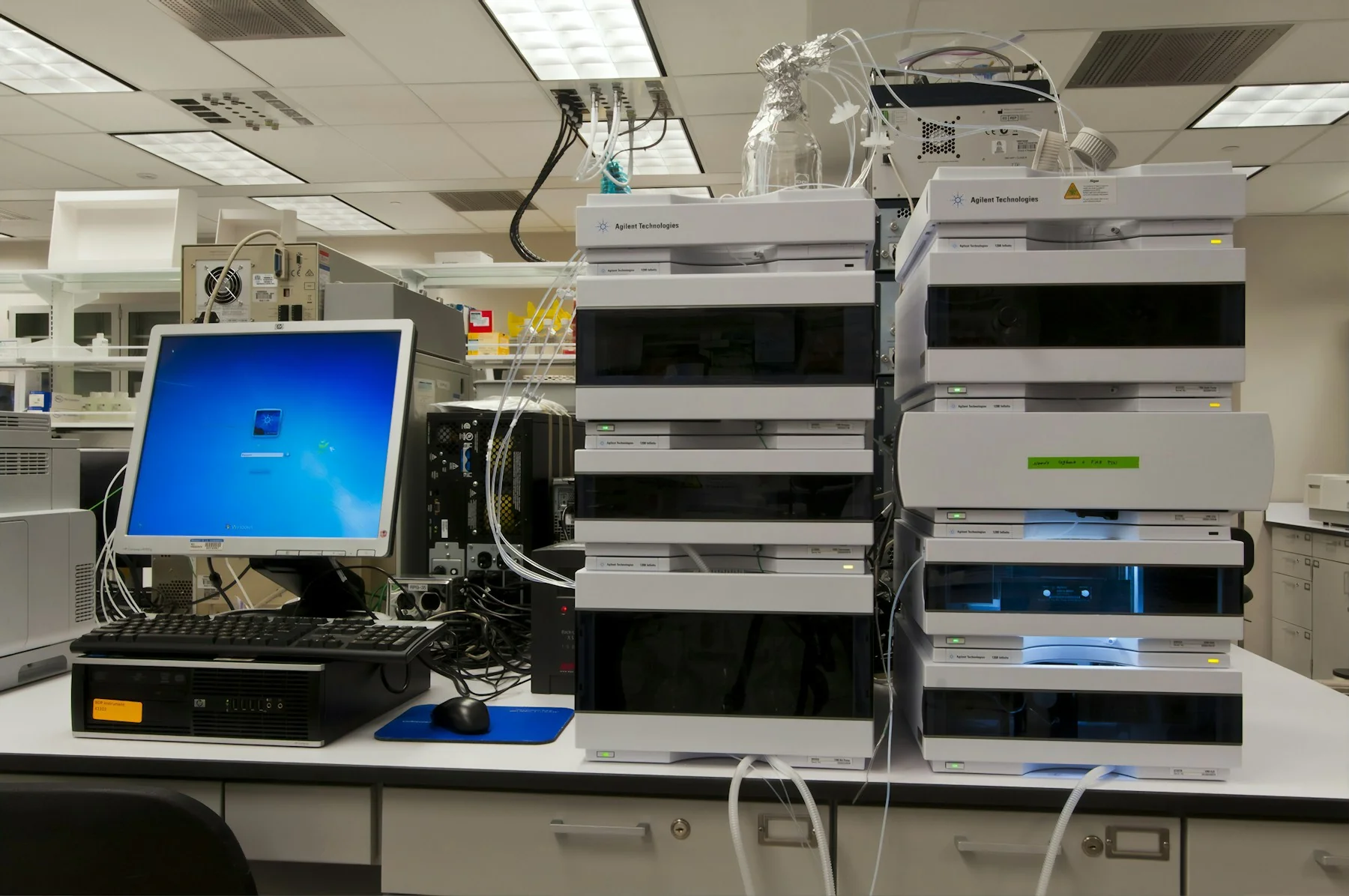
A structured account of observations, supporting evidence, assumptions and limitations.
A focused technical question list for management or further data-room requests.
A review of the technical implications with the transaction team, including matters needing further investigation.
Confidentiality by design
Sensitive technical information needs an agreed framework before access begins.
Where a clean-team assignment is appropriate, participation depends on eligibility and conflict checks, confidentiality terms, defined access permissions and counsel-led rules for reporting and disclosure.
Technical diligence supports the transaction team’s judgement. The scope does not imply legal advice, financial valuation, regulatory approval or a formal GMP certification audit.
Before we begin
The transaction type, API or drug substance context, key technical questions, likely information access and your decision timeline. Please omit target names and confidential documents until confidentiality arrangements are agreed.
Yes. A brief can be defined around a particular process, scale-up, specification, analytical-data or COGS question, subject to the evidence available and an agreed scope.
Information gaps and their implications should be made explicit. A conclusion should distinguish the evidence reviewed from assumptions and matters that still need verification.
A focused first conversation
Start with the transaction type, the technical questions and the decision timeline. Keep the first enquiry non-confidential.
Agree the fit, scope and confidentiality arrangements before sharing technical documents.
Email an enquirycontact@michaeljamesmealy.com
The link opens your email app. Please keep initial enquiries non-confidential.